WOLA: International Day of the Migrant, the United States stands at a
critical juncture. L.A.’s Biggest Apartment Owners Avoided Section 8
Tenants Robin Urevich: In investigating seven of the city’s largest
rental property owners, we found most s...isn-request@lists.riseup.net en nombre de Dorinda Moreno isn@lists.riseup.net; Human Rights Newsletter; CASA and CASA in Action; Egberto Off The Record; Senator Alex Padilla; Rep. Salud Carbajal; Panda Aid – Gaza Humanitarian Assistance Work Report (09/2024 – 12/2025)
Since
the outbreak of the latest round of war in Gaza, humanitarian
assistance has increasingly become a field subjected to simultaneous
pressure from military blockade, political maneuvering, and competing
public narratives. As a result, it is often reduced to oversimplified
questions—such as whether aid is entering Gaza, whether supplies are
being looted, or whether international organizations have “failed”—while
the concrete realities behind these processes remain poorly understood.
Rarely is there a systematic examination of how
a specific consignment of humanitarian medical supplies actually
attempts to enter Gaza, what routes it must navigate, and what layers of
obstruction, negotiation, and power struggles it encounters along the
way. This
report is based on the direct participation and implementation by Panda
Aid, a Chinese civil society organization, in Gaza-related medical
supply assistance and medical donation projects between September 2024
and December 2025. It provides a comprehensive record of the
institutional structures, political blockades, operational logic of the
United Nations system, and grassroots implementation challenges
encountered by a civilian humanitarian initiative in real-world
conditions. Rather than remaining at the level of moral declaration, the
report draws on timelines, hands-on operational experience, and
first-hand exchanges to present a grounded account of how contemporary
humanitarian assistance for Gaza is operated, obstructed, and, at times,
able to find narrow openings to continue moving forward. This
document serves both as a phased summary of work completed and as a
practical reference for future volunteers, donors, and researchers. Its
aim is to offer an experience-based, citable record that helps
illuminate the actual mechanisms through which humanitarian assistance
for Gaza functions in practice. I. Medical Supply Assistance Project(I) Project Initiation and Early Challenges (09/2024 – 12/2024)Beginning
in September 2024, Panda Aid established a formal partnership with the
Palestinian Doctors Association in Europe (PalMed), headquartered in
Paris, France. The core task of this collaboration was to assist PalMed
in procuring medical supplies in China and arranging their delivery to
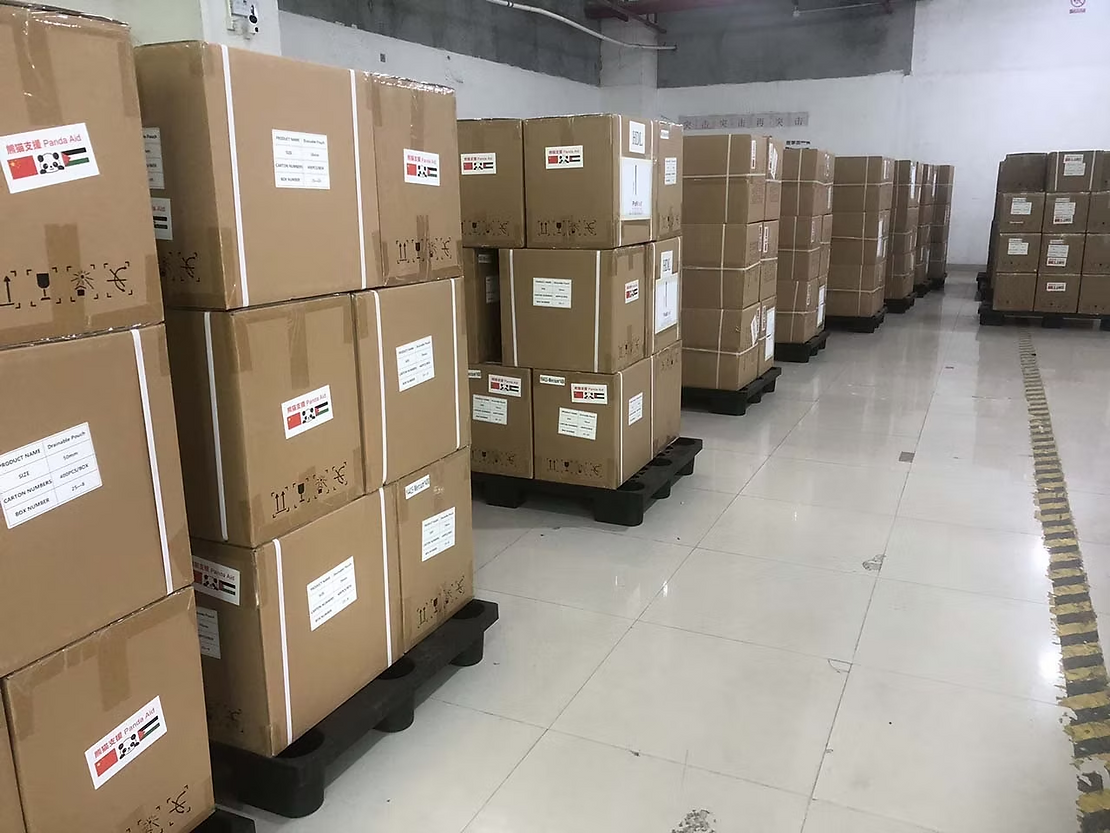
Gaza. The procurement and preparation process advanced rapidly: within
approximately three months, a total of 307 boxes of medical supplies, weighing about 4.3 metric tons, were successfully sourced and consolidated in Shenzhen, China. However,
as Israel continued to escalate its military operations and imposed a
comprehensive blockade on Gaza, all humanitarian access routes were
effectively cut off. The originally planned logistics route—Shenzhen,
China → Cairo, Egypt → Gaza—was completely disrupted. As a result, the
fully prepared medical supplies remained stranded in warehouses in China
for an extended period, unable to enter Gaza as initially intended. Photo: Medical supplies awaiting shipment to Gaza at a Shenzhen warehouse in April 2025. (II) Shifting Conditions and the Decision to Conduct a Field Assessment (01/2025 – 03/2025)In
January 2025, the situation briefly appeared to improve. Israel and
Hamas reached a phased ceasefire agreement, and parts of Gaza’s border
crossings were temporarily reopened. In response, Panda Aid began
preparations to travel to Cairo, Egypt, with the intention of
organizing activities related to the initiation and handover of the
previously procured medical supplies. However, this window of
opportunity proved short-lived. In March 2025, Israel unilaterally
abrogated the ceasefire agreement, relaunched large-scale military
operations, and reimposed a comprehensive blockade on Gaza, once again
completely severing humanitarian access routes. During the same period,
the Rafah ambulance convoy attack, in which multiple medical and
humanitarian workers were killed, starkly underscored the extreme
dangers facing humanitarian operations in Gaza. Against
the backdrop of prolonged supply stagnation, repeatedly obstructed
access routes, and a rapidly deteriorating humanitarian situation in
Gaza, Panda Aid decided to abandon a passive waiting posture and instead
seek proactive solutions. To this end, the organization assembled its
fourth field assessment delegation and traveled to Cairo on March 30,
2025. The core objectives of this mission were to obtain a comprehensive
understanding of the latest developments on the ground, clarify the
operational realities of the United Nations system and other relevant
actors, and explore humanitarian action pathways that might remain
viable under conditions of near-total blockade. Photo: March 30, 2025, Shanghai-Cairo, EgyptAir passengers are about to arrive in Cairo, Egypt, passing the pyramids. (III) Cairo Field Assessment and Strategic Turning Point (30/03/2025 – 03/04/2025)This
field assessment constituted a critical turning point for the entire
project. Through in-depth exchanges with multiple stakeholders, Panda
Aid identified a new strategy capable of breaking the prolonged impasse.
| | Key Findings and Outcomes | | | | Traditional routes blocked: Medics Worldwide’s existing channels for moving supplies from Egypt into Gaza had also been completely cut off. New strategic proposal: Abandon
external cross-border delivery and shift toward procurement from
commercial warehouses inside Gaza, drawing on remaining pre-war stocks. More mature cooperation model: MWW
proposed standardized medical project packages ranging from USD 10,000
to USD 1,000,000 (e.g., hospital rehabilitation, pharmaceutical
donations), allowing partners to participate according to capacity.
| This
marked a shift from uncontrollable logistics to executable,
funding-based medical projects, identifying the most efficient
assistance pathway under current conditions. | | Insan Sebil Islam (ISS), Cairo (Meeting with Mr. Hazem Hayek) | Grassroots operating model: Reliance
on volunteers, with goods transiting through Egyptian Red
Crescent warehouses; assistance focused primarily on shelf-stable food
items. Shared constraints: Equipment
such as solar panels and water pumps was routinely denied entry by
Israeli authorities due to concerns over “dual-use” potential. Strategic validation: ISS likewise favored sourcing existing equipment within Gaza rather than attempting cross-border delivery.
| This corroborated MWW’s “internal procurement” approach as a widely adopted and pragmatic choice among grassroots organizations. | | World Food Programme (WFP) Logistics Cluster & World Health Organization (WHO) Emergency Medical Team (EMT) | Division of responsibilities: WFP
and WHO both handle applications to Israeli authorities and relevant
Gaza bodies, as well as post-entry transport and temporary storage—WFP
for food assistance and WHO for medical supplies—yet outcomes depend
entirely on negotiation strategies and Israeli approvals. Indefinite waiting: The
4.3 metric tons of medical supplies shipped by Panda Aid to Cairo were
under WHO EMT application for entry permits, with no clear timeline. First-of-its-kind case: Panda
Aid was identified as the first Chinese civil society
organization encountered by WHO to independently transport a large
consignment of medical supplies from China. Information silence: UN agencies stated they were “unaware” of looting and black-market diversion of aid supplies.
| Clarified the stalemate and unreliability of official channels under current conditions. Highlighted the distinctiveness and influence of Panda Aid’s initiative.
| | Egyptian Customs Brokerage Company | Professional support: The
company handled Panda Aid’s customs clearance in Egypt and waived an
approximately USD 250 clearance fee in support (for reference: USD
200–300 per commercial container; around USD 250 per 1–2 tons for air
freight). Commercial insights: Gained understanding of Egypt’s role as a re-export hub for Chinese goods (e.g., garlic, electric vehicles).
| Secured pro bono local professional support, reduced operational costs, and broadened commercial and logistical perspectives. |
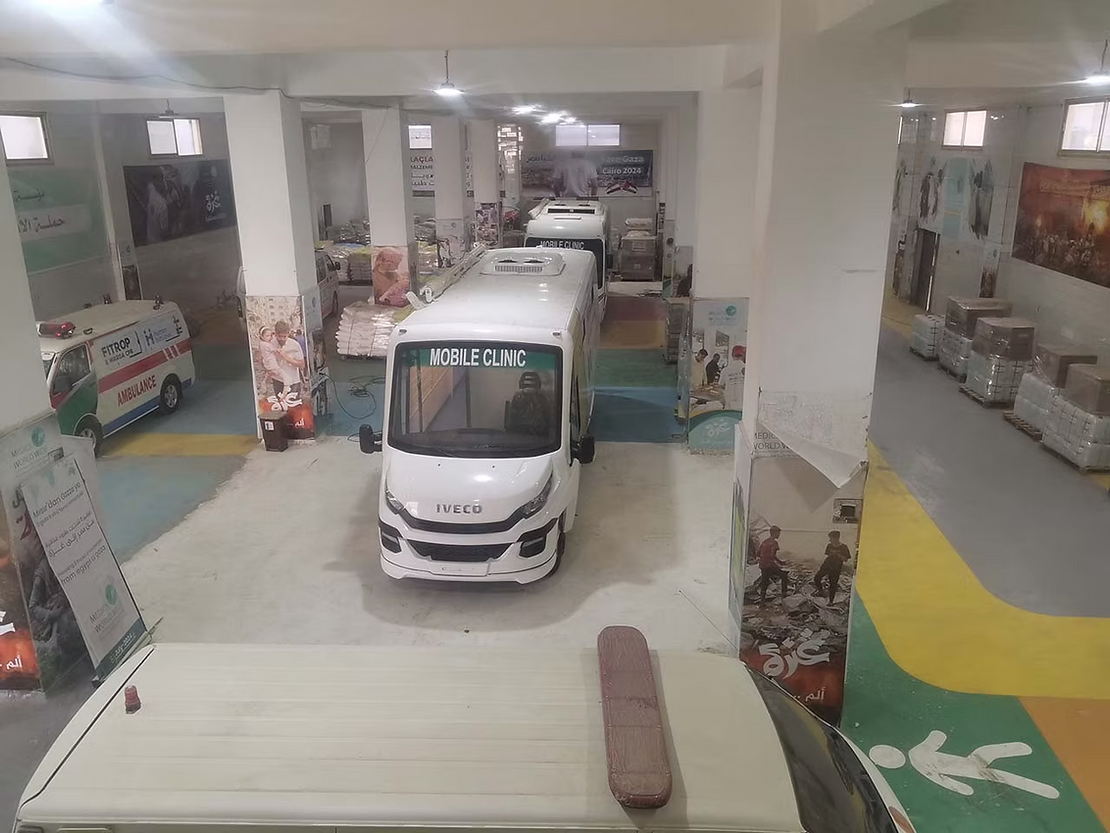
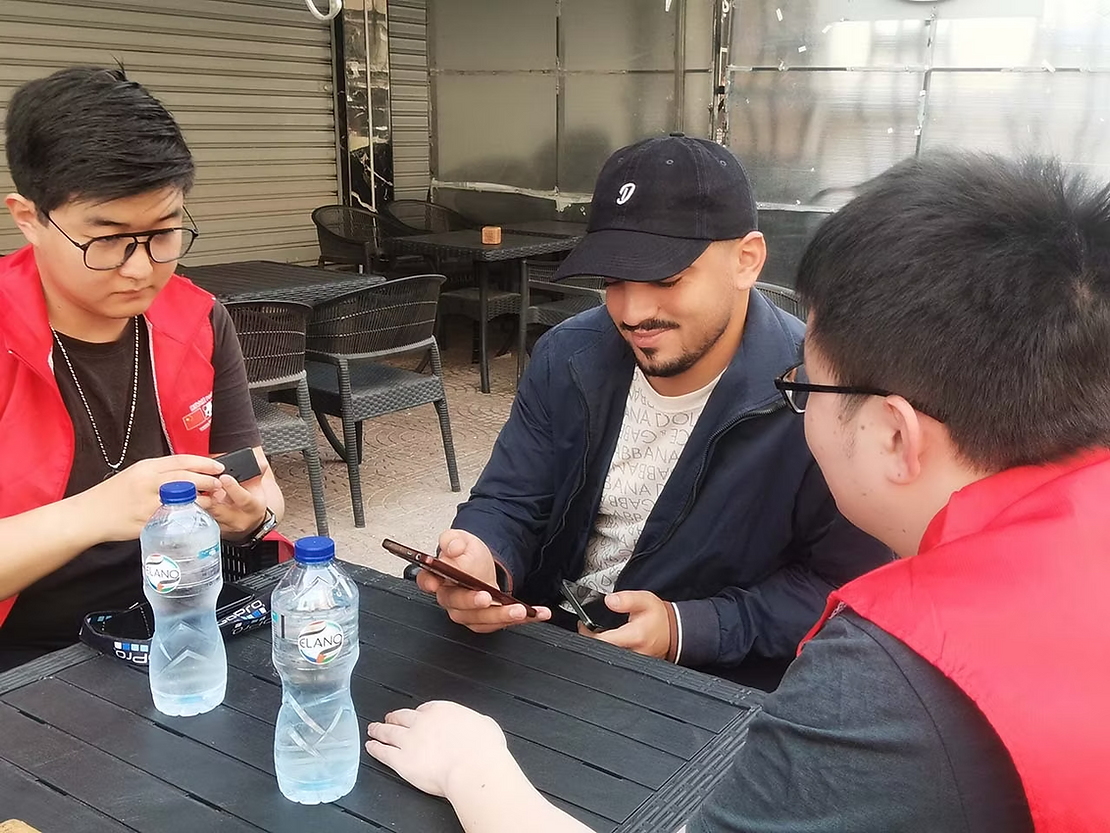
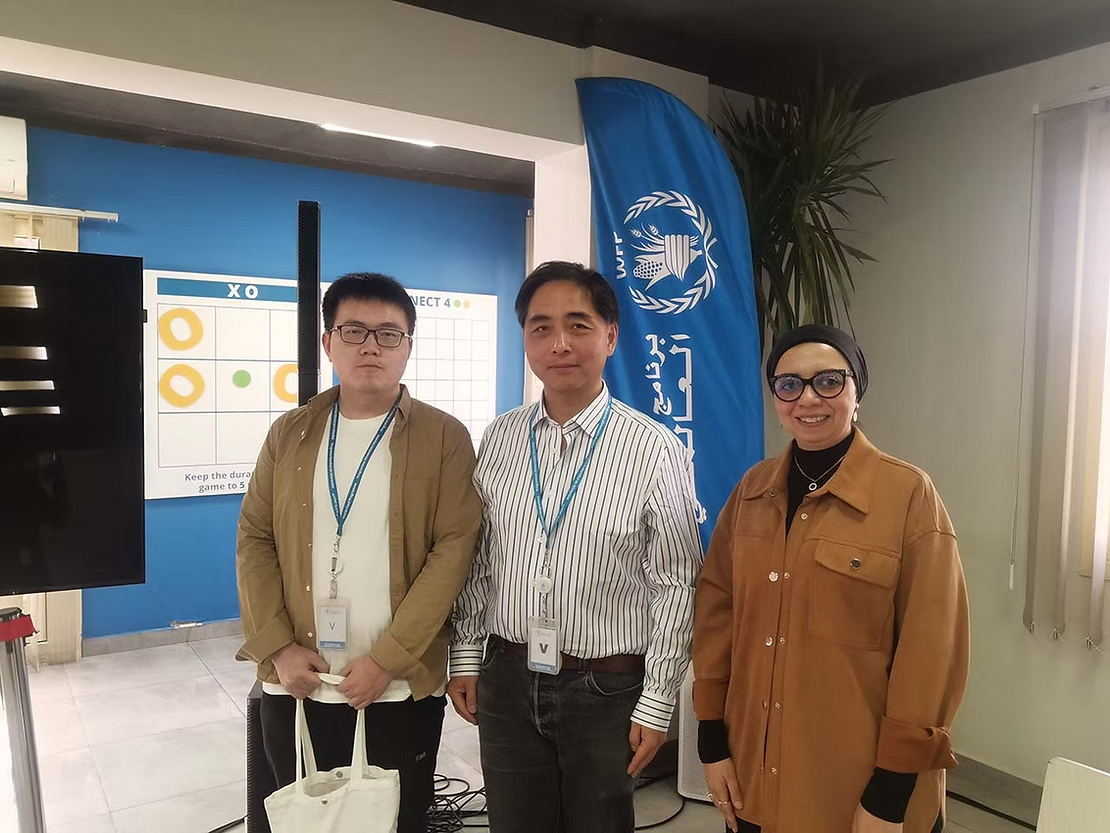
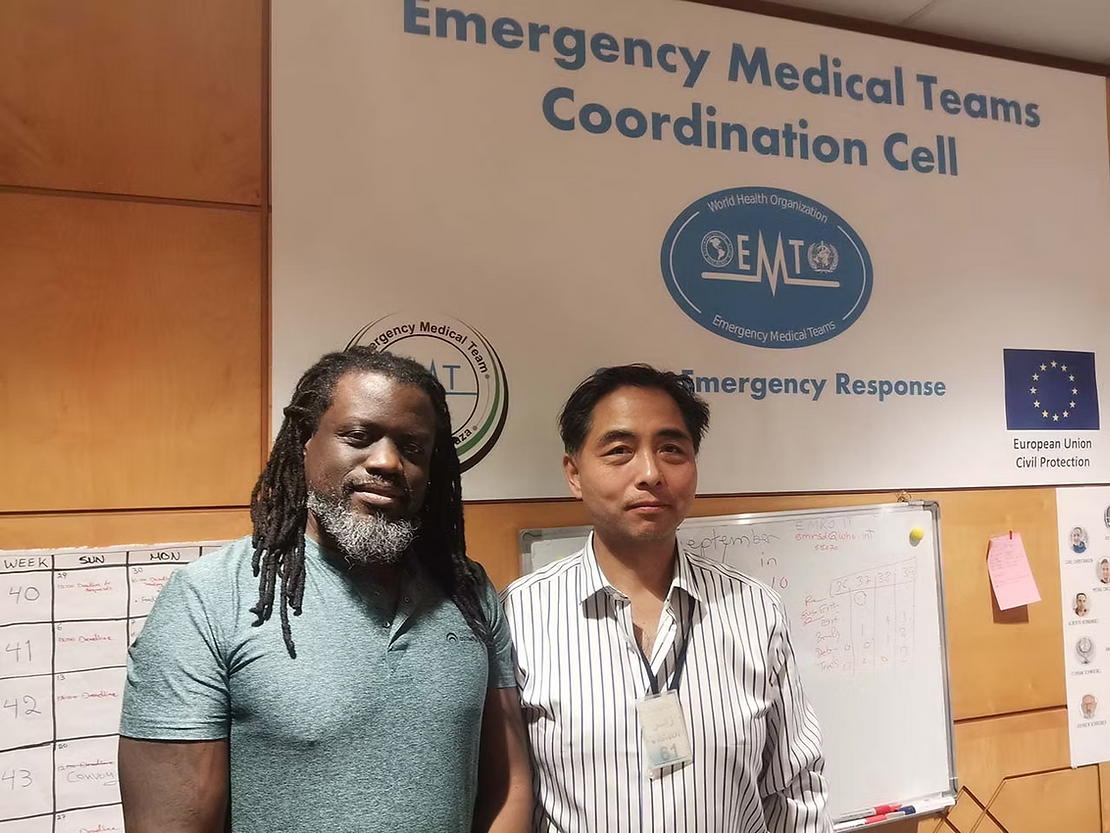
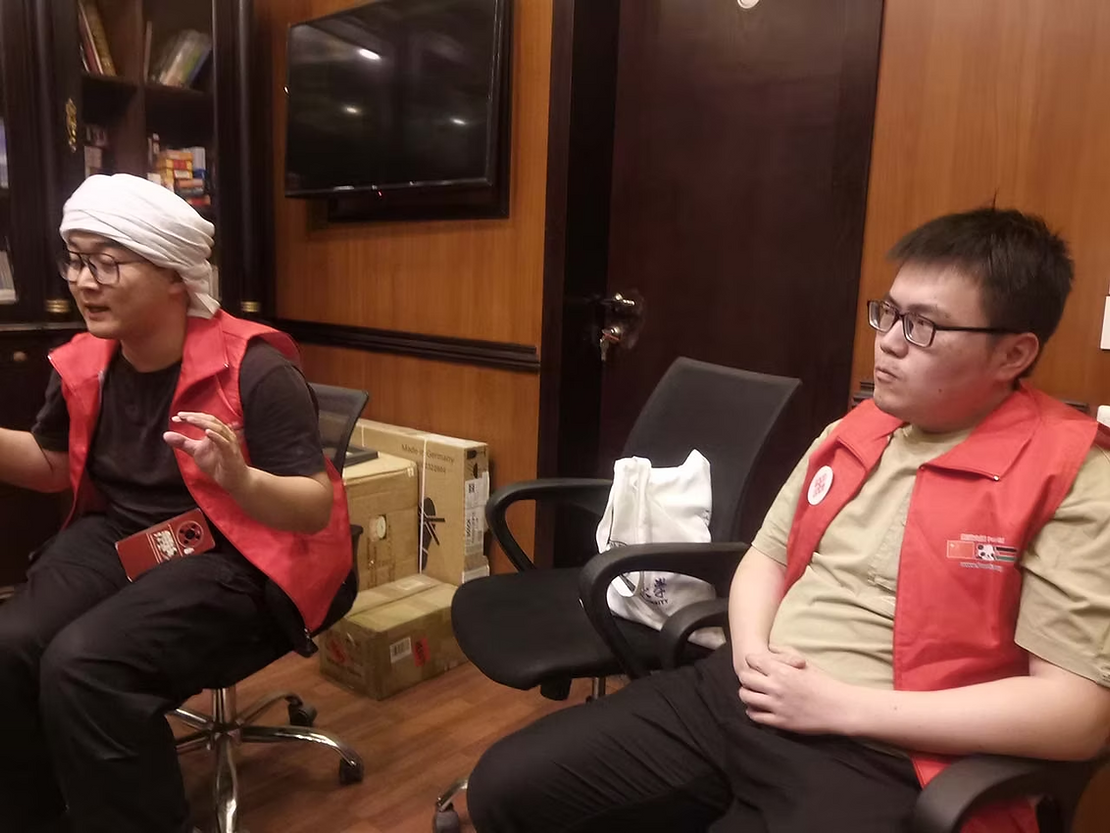
Photo: Panoramic view of Medics Worldwide warehouse Photo: Interview with Mr. Hazem Hayek, Head of ISS Cairo, Egypt Photo:
Mr. Lee Siu Hin (center), head of Panda Aid, Mr. Huang Shimin (left), a
member of Panda Aid, and Ms. Dalia Amin of Logistics Cluster pose for a
photo. Photo: Lee Siu Hin with Dr. Dave, one of the leaders of the World Health Organization's Emergency Medical Team (EMT). Photo:
Xu Minghao from Panda Aid(left, Chinese-English translator) and Huang
Shimin (right, responsible for coordinating the medical supplies
shipment to Gaza) visit customs brokerage company in Nasr City, Egypt. (IV) Adjustment of the Logistics RouteIn
early October 2025, a physician from the Palestinian Doctors
Association in Europe (PalMed)—Panda Aid’s partner
organization—proactively contacted Panda Aid to report a critical
development: the medical supplies that had been procured earlier and
remained stranded for an extended period had secured a new
transportation arrangement, making it possible for the transfer process
to commence in the near term. Under
this revised coordination plan, the shipment would no longer follow the
originally planned route of China → Cairo, Egypt → Gaza. Instead, it
would be redirected through a previously undisclosed and little-known
United Nations logistics pathway. The
supplies would first be airlifted from China to a World Health
Organization (WHO) warehouse in the United Arab Emirates, then
transferred onward to the Sinai Peninsula in Egypt, and finally, under
coordination between the United Nations and relevant authorities,
transported overland into Gaza and delivered to designated medical
facilities. At
the operational level, implementing this adjustment required only
modifications to the consignee address and related logistics information
in the existing customs documentation. While these procedural changes
appeared relatively straightforward, the new arrangement represented a
fundamental departure from the transportation process Panda Aid had
previously prepared for and understood over an extended period. It also
signaled that the project had formally entered an entirely new, UN-led
logistics system. Because
this route had never been systematically described in publicly
available humanitarian practice, Panda Aid subsequently conducted
independent verification and research. This confirmed that the core node
underpinning the arrangement was a major hub within the United Nations
Humanitarian Response Depot (UNHRD) network, located in the United Arab
Emirates. Although vast in scale, this facility is not open to the
public and rarely appears in the narratives of civil society
humanitarian organizations. It constitutes one of the United Nations
system’s key strategic logistics infrastructures for responding to
large-scale humanitarian crises. The
activation of this pathway marked the first time that Panda Aid’s
humanitarian medical supply project, after more than a year of
obstruction, had truly entered the operational phase of the UN’s global
humanitarian logistics system. It also further exposed the highly
closed, hierarchical, and externally inaccessible operational realities
upon which humanitarian supply flows currently depend under Gaza’s
extreme blockade conditions. (V) Completion of Transport and Interim SummaryAfter
more than a year of repeated obstruction and delay, the transportation
effort finally achieved a substantive breakthrough. In December 2025,
under coordination between the United Nations system and relevant
partners, the medical supplies were airlifted in batches to Dubai,
United Arab Emirates, and successfully handed over to a UN humanitarian
warehouse operated by the World Health Organization (WHO)—the UN
Humanitarian Response Depot in Sharjah (UNHRD Sharjah). Following full
receipt, inventory verification, and reconciliation procedures, UN
agencies scheduled the next phase of transport, arranging for the
supplies to be flown via established humanitarian channels to Arish, in
Egypt’s Sinai Peninsula, and ultimately transported overland into Gaza
for delivery to designated medical facilities for direct medical use. Spanning
a total duration of one year and three months, this project unfolded
through an exceptionally complex process marked by multiple layers of
political, administrative, and security-related obstacles. It offers a
concrete illustration of what it means to pursue humanitarian action
under conditions of extreme blockade and pervasive uncertainty. Panda
Aid hereby extends its sincere gratitude to all individuals and
institutions who provided sustained attention, donations, and support
throughout this period. It was precisely this cross-regional,
cross-cultural, and cross-community solidarity that enabled this
extraordinarily challenging humanitarian project to advance and reach
the stage of substantive implementation. II. Medical Donation–Based Support Project(I) Project Background and Rationale Against
the backdrop of Israel’s continued military operations and
comprehensive blockade, Gaza’s healthcare system has remained in a state
close to collapse. Large numbers of civilians have been injured by
airstrikes and ground military actions, while medical facilities—many of
which have been damaged or destroyed—struggle to maintain even basic
operations due to shortages of equipment, supplies, and qualified
medical personnel. At the same time, cross-border entry of humanitarian
supplies into Gaza is subject to severe restrictions; even within the
United Nations framework, the transportation of medical supplies faces
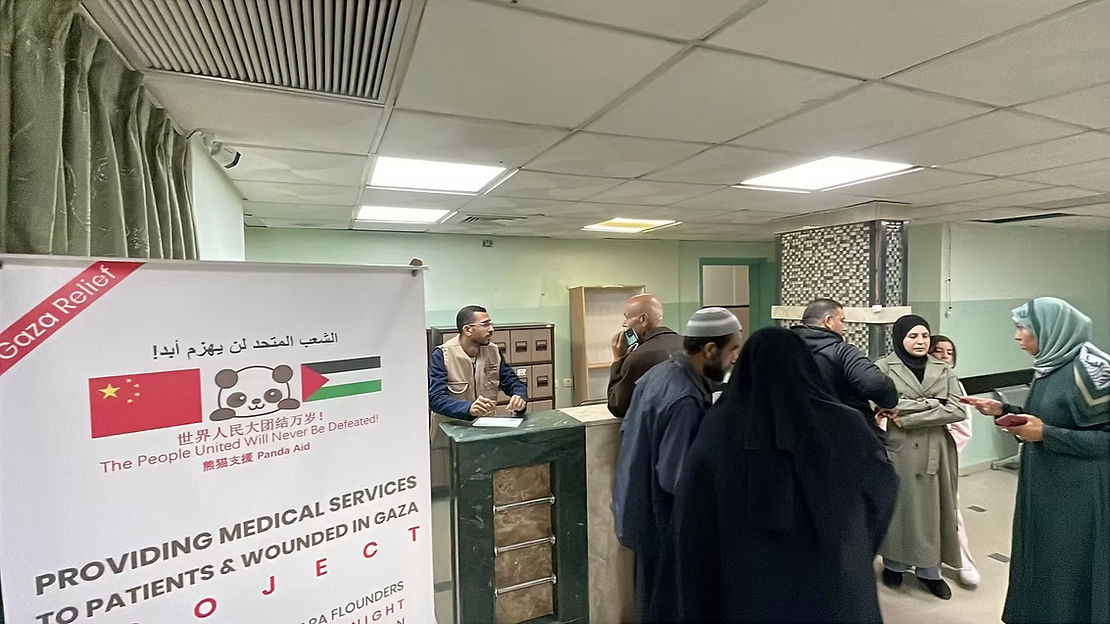
lengthy approval processes and extremely high levels of uncertainty. Under these conditions, while continuing to pursue physical medical supply assistance, Panda Aid decided in parallel to explore an
emergency medical support model centered on medical donations,
implemented by local hospitals in Gaza in cooperation with international
humanitarian organizations.
This approach was designed to ensure that, when material supply routes
are blocked, life-saving medical interventions can still be delivered in
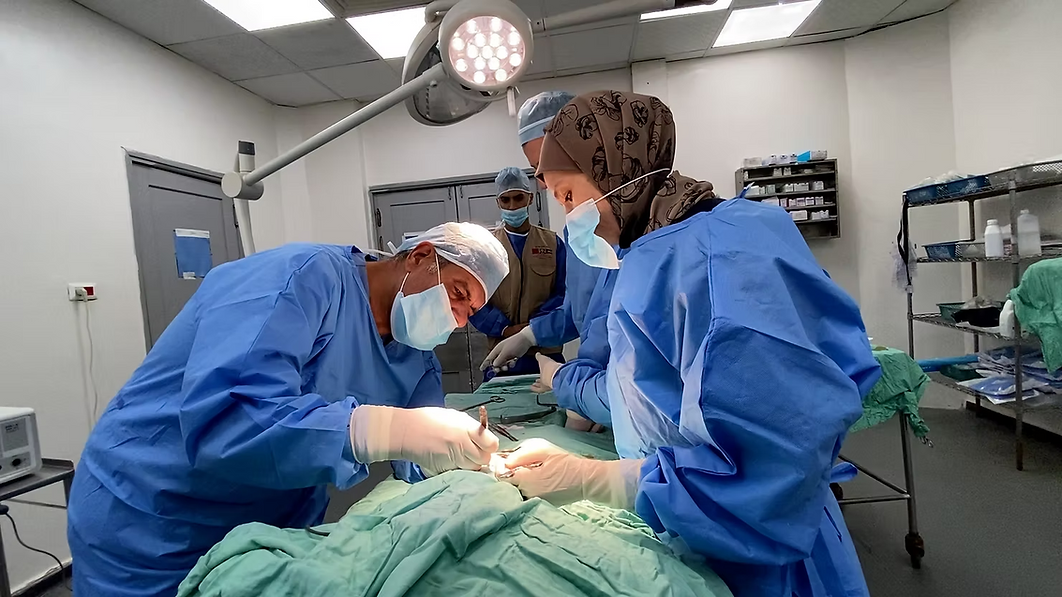
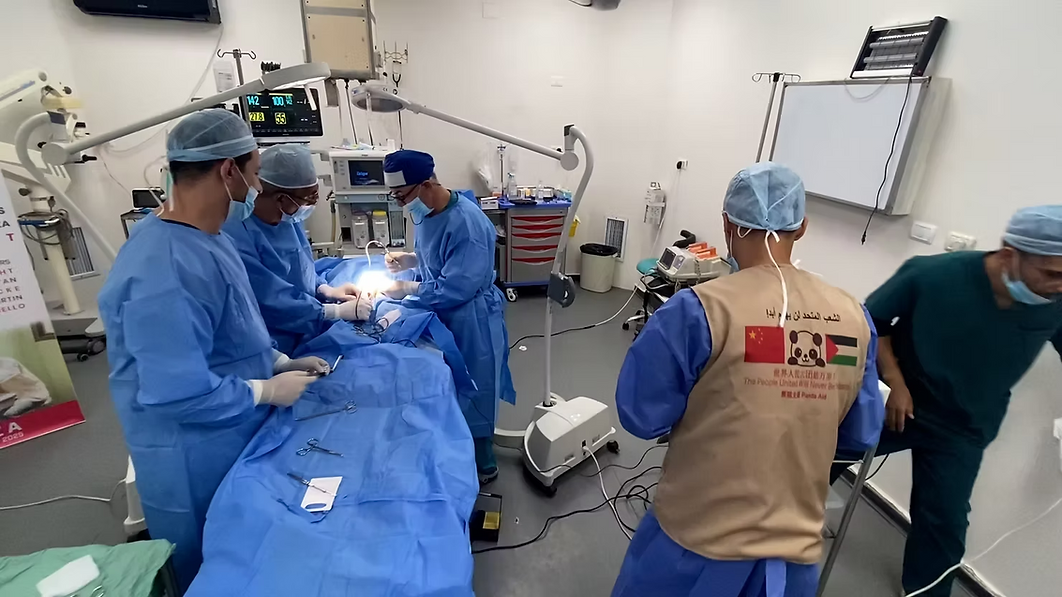
a direct and effective manner. The “Providing Medical Services to Patients & Wounded in Gaza Project” and the MEDICS CARE Project were launched as emergency humanitarian medical interventions precisely within this context. Project Title: Emergency Surgical Medical Support Project Donor / Funding Organization: Panda Aid Implementing Organization: Medics Worldwide Project Sector: Emergency Relief / Healthcare Location: Gaza Strip, Palestine — Patients Friends Hospital, Gaza City Project Period: November 8–22, 2025 Total Project Budget: USD 2,468.14
Funding
for this Gaza medical assistance project originated from the “U.S.
Activist Delegation to Xinjiang, China” study tour organized by Panda
Aid in September 2025. This initiative represented a demonstrative,
cross-issue and cross-regional practice that successfully linked an
international activist fact-finding delegation with concrete
humanitarian action. On the one hand, the delegation conducted in-depth
research and exchanges on issues related to Xinjiang, China; on the
other hand, its associated fundraising and support mechanisms directly
fed back into urgent medical humanitarian assistance for Gaza. This
formed a humanitarian practice pathway characterized by “thinking
globally while acting locally,” and provided a replicable model for
connecting China-related issues with humanitarian crises in the Global
South. Panda
Aid hereby extends its sincere gratitude to compassionate supporters
from China, Europe, and the Middle East. It is precisely this sustained
trust and support across regions that has enabled Panda Aid to continue
advancing multiple humanitarian projects of high complexity and
significant political and security risk. This
medical donation primarily covered two components: the surgical costs
for two pediatric patients, and short-term hospital operational support,
ensuring that pediatric patients could receive free medical services
during the surgical period, including pre-operative and post-operative
care. The project set out the following clear objectives: To minimize surgical waiting times and reduce the pain and risk faced by pediatric patients and war-wounded individuals; To fully cover surgical costs, preventing families from bearing additional financial burdens in a wartime context; To
support local healthcare institutions in Gaza and alleviate the extreme
operational strain on the medical system caused by the conflict.
(IV) Implementation Approach and Process The project was implemented locally in Gaza by Medics Worldwide, following a structured process that included: Project
management and coordination: Establishing administrative and technical
teams with clearly defined roles and responsibilities; Medical capacity assessment: Evaluating hospital infrastructure, equipment availability, and staffing conditions; Patient selection: Identifying patients in urgent need of surgical intervention based on clinical severity; Surgical implementation: Performing surgeries under conditions of extreme resource scarcity and high security risk; Documentation
and project closure: Producing a complete set of project records,
including written implementation reports, detailed financial statements
and invoices, and descriptions of surgical procedures and medical
services, ensuring transparency and accountability in the use of funds.
(V) Medical Services Provided and Beneficiaries The
project successfully supported the implementation of essential surgical
procedures for two pediatric patients, significantly improving their
health outcomes: Patient 1 Name: Abd Alraouf Humaid Age: 6 months Gender: Male Date of Surgery: November 13, 2025 Procedure: Hernia repair surgery Surgical Cost: USD 150 Specialty: Pediatric Surgery Lead Surgeon: Imad Masoud
Patient 2 Name: Omar Basel Akkila Age: 3.5 years Gender: Male Date of Surgery: November 13, 2025 Procedure: Cryptorchidism (Undescended Testis) Surgery Surgical Cost: USD 150 Specialty: Pediatric Surgery Lead Surgeon: Imad Masoud
In addition to the two surgical cases detailed above, more than 100 patients benefited from the MEDICS CARE program. The forms of assistance provided included free medical consultations, disease diagnosis, medication distribution, laboratory testing, and diagnostic imaging services.
(VI) Project Budget and Use of Funds Querido En el Día Internacional del Migrante de este año, Estados Unidos se encuentra en un momento crítico. Las
deportaciones masivas se han ampliado para incluir a nuestros vecinos,
amigos cercanos y familiares. La administración Trump ha empleado cada
vez más la política migratoria como medio para consolidar la autoridad
ejecutiva y erosionar el respeto por el Estado de derecho. Las personas
que buscan protección —ya sea huyendo de la persecución o buscando
seguridad básica— son sometidas a un trato punitivo y, a menudo,
inhumano. Incluso los residentes de toda la vida que han construido su
vida en este país ya no pueden confiar en la seguridad que antes
asumían. A lo largo del año, los
expertos de WOLA han trabajado diligentemente para monitorizar, analizar
y documentar los abusos de derechos humanos que ocurren en Estados
Unidos y en toda la región. Viajé con la directora de WOLA para México,
Stephanie Brewer, y realizé investigaciones de campo en México,
Guatemala y Honduras para evaluar el impacto real de las prácticas de
detención y deportación de ICE. WOLA también desempeñó un papel
destacado en los debates nacionales sobre migración a través de nuestra
publicación más accesible, la Weekly Border Update, que sigue siendo un recurso de confianza para responsables políticos, periodistas, académicos y defensores. WOLA
colaboró estrechamente con delegaciones del Congreso que viajaban a El
Salvador, asegurándose de que recibieran información local completa y
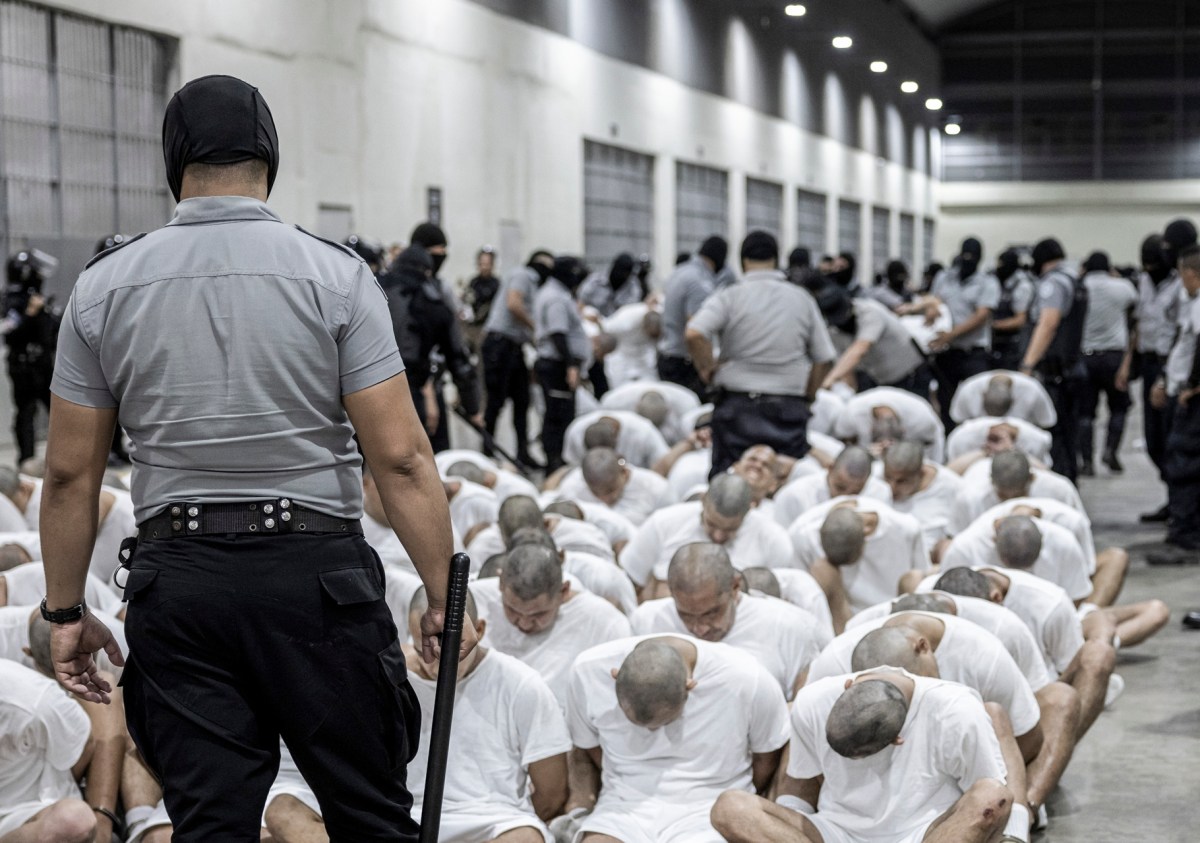
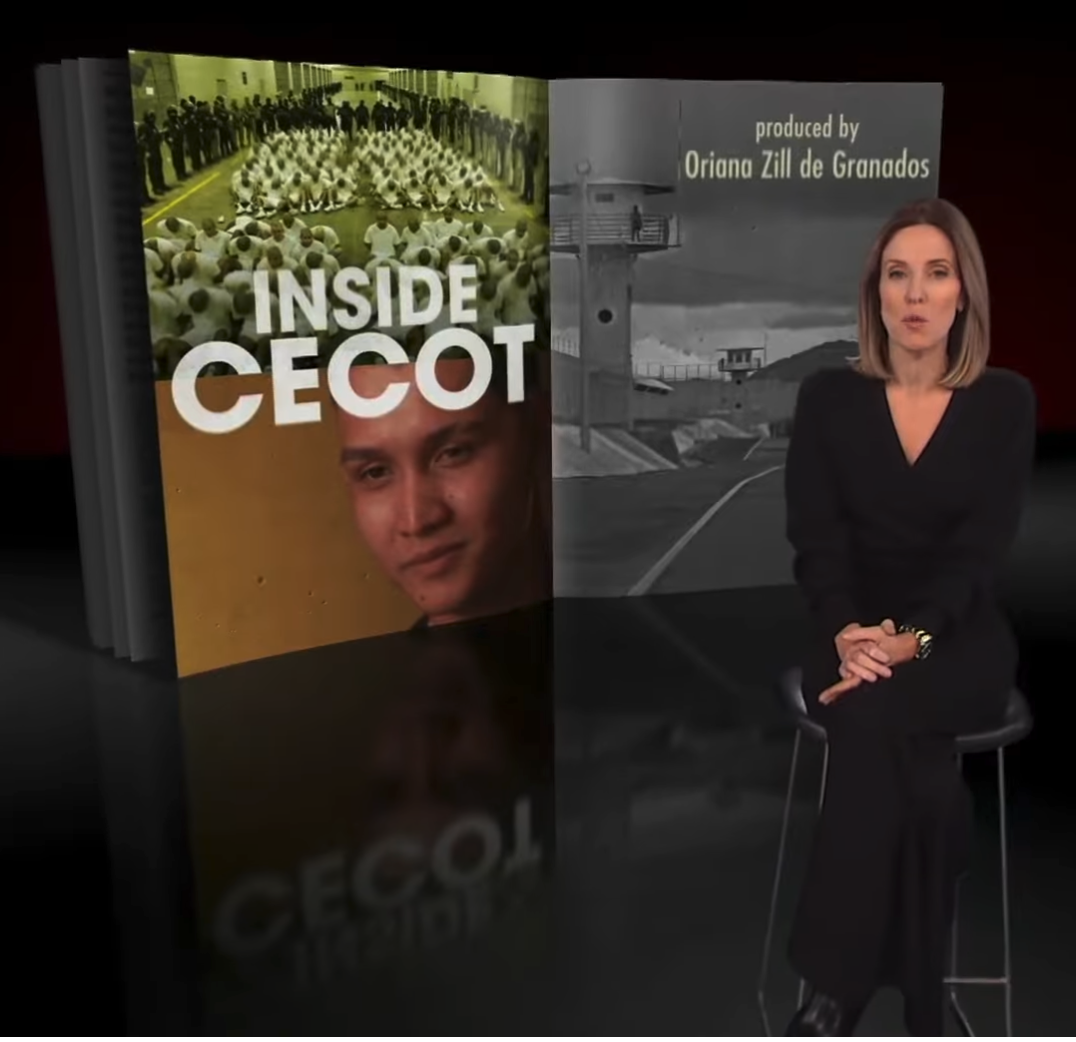
documentación de derechos humanos, incluido el caso del residente de
Maryland Kilmar Abrego García, detenido en la instalación de CECOT. En
mayo, pedimos al gobierno de EE. UU. que cumpliera con las órdenes
judiciales federales sobre deportaciones injustificadas. Además, WOLA
presentó una comunicación formal a los gobiernos de Costa Rica y Panamá
defendiendo los derechos legales de las personas deportadas de Estados
Unidos sin la oportunidad de solicitar asilo. Estos esfuerzos colectivos subrayan una realidad central: el momento presente exige una vigilancia aumentada, una experiencia rigurosa y un compromiso inquebrantable y con principios. WOLA
sigue firmemente comprometida con la promoción de políticas migratorias
humanas y respetuosas de los derechos y con la salvaguarda de la
dignidad de quienes han sido alterados por abusos de poder. Lograr un
enfoque más justo y eficaz requiere un análisis basado en la evidencia,
una defensa sostenida y un compromiso firme con los derechos humanos. Con su colaboración, podemos continuar este trabajo en el momento en que sea más urgentemente necesario. Por favor, únete a nosotros. |
|
|
| Adam Isacson Director de Supervisión de Defensa |
|
|
Copyright
© 2024 Washington Office on Latin America, todos los derechos
reservados. Estás recibiendo este correo porque estás inscrito en la
lista de correo de WOLA. WOLA
1666 Connecticut Ave NW
Suite 400, DC 20009
Estados Unidos |
|
|
|
Los mayores propietarios de apartamentos de Los Ángeles evitaron a los inquilinos de la Sección 8 Robin Urevich: Al
investigar siete de los mayores propietarios de viviendas en alquiler
de la ciudad, encontramos que la mayoría eludía las leyes
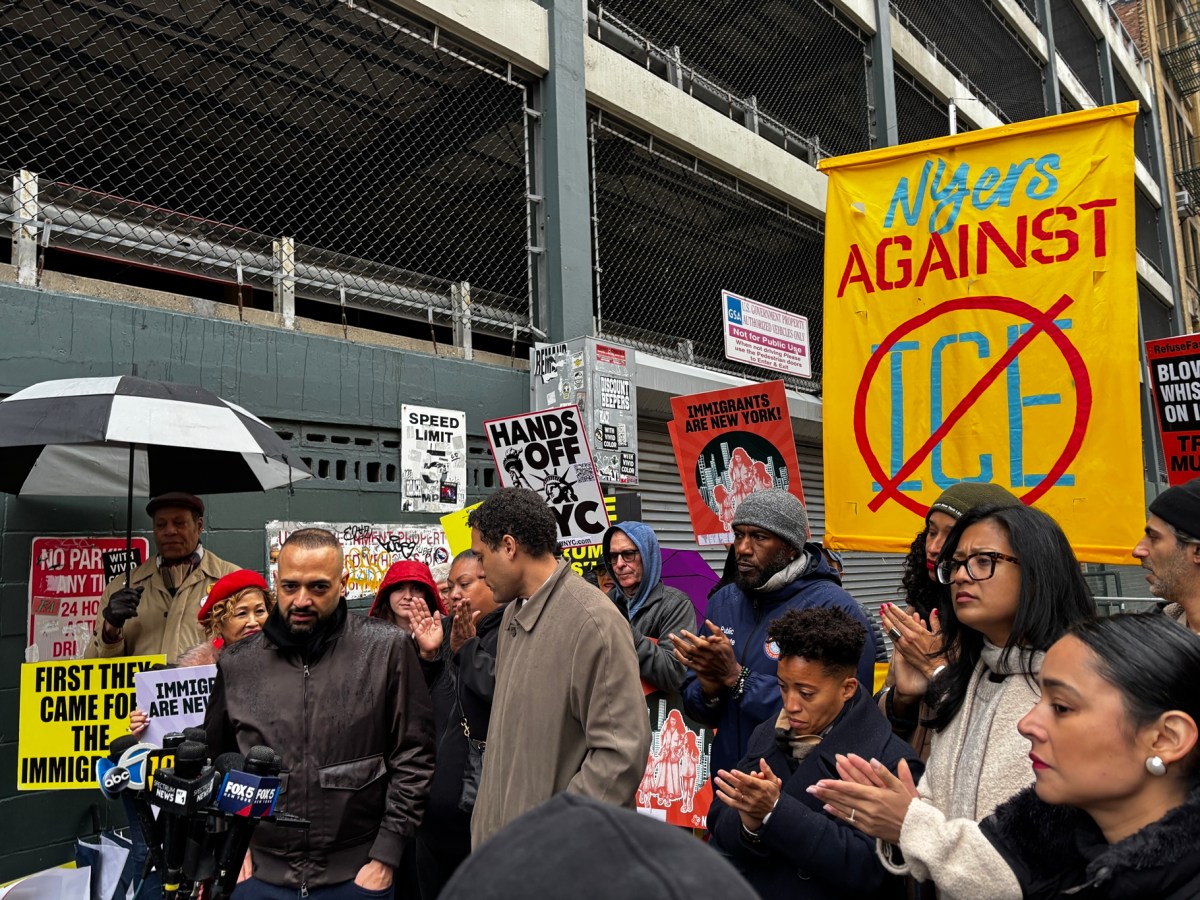
antidiscriminatorias. ICE contrata cazarrecompensas inmigrantes de la empresa privada de prisiones GEO GroupBI Incorporated, una filial de la empresa penitenciaria con ánimo de lucro GEO Group, ayudará a ICE a localizar los inmigrantes.
Inmigración de EE. UU. y Aduanas
ha contratado a una filial de la empresa penitenciaria con ánimo de
lucro GEO Group para ayudar a cazar inmigrantes en sus hogares y lugares
de trabajo, según registros revisados por The Intercept. ICE ha conseguido un acuerdo con la empresa de vigilancia BI Incorporated como parte de un nuevo programa, informado por primera vez en octubre por The Intercept, para utilizar cazarrecompensas privados para determinar la ubicación de inmigrantes a cambio de bonificaciones monetarias. BI,
que fue adquirida por GEO Group en 2011, es una de varias empresas
contratadas por ICE para ofrecer servicios de "rastreo de saltos", en
los que sus equipos de investigadores corporativos utilizan vigilancia
para rastrear a inmigrantes en todo el país hasta sus hogares y lugares
de trabajo, de modo que los agentes federales puedan intervenir
fácilmente y realizar arrestos. Los
registros muestran que ICE ya ha pagado 1,6 millones de dólares a BI,
con potencial para que el contrato crezca hasta 121 millones de dólares
cuando concluya en 2027. El
impulso de ICE para privatizar su búsqueda de inmigrantes ha atraído la
atención del representante Raja Krishnamoorthi, demócrata de Illinois,
quien advirtió que "invita a los mismos abusos, secretos y corrupción
que nuestros fundadores intentaron evitar." Ni BI Incorporated ni GEO Group respondieron de inmediato a una solicitud de comentario. El
acuerdo ilustra una estrategia de integración vertical dentro de GEO
Group, que ha encontrado una línea de negocio creciente que opera
centros de detención migratoria con ánimo de lucro bajo la segunda administración Trump. En este caso, la corporación debe ser pagada por el gobierno federal tanto para encontrar inmigrantes como para encarcelarlos. Las
acciones de GEO Group, que donó tanto a la campaña de reelección de
Trump como a su fondo inaugural, se dispararon tras su victoria en 2024.
El regreso de Trump al poder ha resultado afortunado para GEO Group: el
"Gran Proyecto de Ley Hermoso" del presidente destinó 45.000 millones
de dólares para encarcelar a inmigrantes. "Este es un momento único en
la historia de nuestra empresa", dijo
al CEO de GEO Group, J. David Donahue, a los inversores en mayo, "y
creemos que estamos bien posicionados para aprovechar esta oportunidad
sin precedentes." GEO Group ha enfrentado décadas de críticas por la supuesta mala gestión de sus instalaciones y por denuncias de abusos generalizados a los internos. En agosto, The Intercept informó sobre el suicidio de un inmigrante chino retenido en una prisión gestionada por GEO Group en Pensilvania. La Unión Americana por las Libertades Civiles presentó
una denuncia federal sobre la instalación en julio, criticando
"condiciones horribles" en la prisión, incluyendo repetidos casos de
negligencia médica. En 2023, GEO Group fue víctima de una demanda colectiva
que alegaba el "envenenamiento de meses" por un desinfectante químico
de más de 1.300 internos en un centro de detención migratoria de
California. En mayo, la estudiante de la Universidad de Tufts, Rümeysa
Öztürk, encarcelada por sus críticas
al genocidio israelí en Gaza, alegó que su cárcel gestionada por GEO
Group retrasó el tratamiento mientras sufría un ataque de asma. El
expediente contractual de ICE no especifica si BI proporcionaría
servicios de cazarrecompensas sobre el terreno, servicios de
investigación basados en software o una combinación de ambos. ICE ya
había dicho anteriormente a posibles contratistas de cazarrecompensas:
"Depende del proveedor completar el trabajo requerido por contrato",
pero "Si un proveedor decide subcontratar, eso queda a su discreción",
según correspondencia de adquisiciones revisada por The Intercept. BI
tiene una larga trayectoria en la vigilancia de inmigrantes, habiendo
recibido cientos de millones de dólares del gobierno hasta la fecha
mediante contratos anteriores para el seguimiento basado en monitores de
tobillo. La empresa está especializada en servicios de vigilancia
remota y monitorización de personas, incluyendo la venta de pulseras GPS
y otros dispositivos de rastreo. "El seguimiento de la ubicación
permite a las personas trabajar y vivir en la comunidad mientras se
vigila de cerca para los toques de queda, los movimientos y más", según
la página web de la empresa. "BI ofrece soluciones de rastreo de
pulseras, muñecas y móviles para satisfacer las necesidades de distintos
niveles de riesgo." BI
también promociona su suite de productos de software, incluyendo
aplicaciones de gestión de casos para monitorizar los movimientos de
inmigrantes y otros objetivos, así como herramientas que permiten a las
agencias trazar los "datos de ubicación geográfica y espacial" de un
objetivo en Google Maps. Se desconoce si la empresa tiene acceso a datos
de localización de dispositivos móviles comerciales o si depende
únicamente de rastreadores montados en el cuerpo. Pero con muchos años de datos GPS detallados sobre cada movimiento de cientos de miles de inmigrantes,
BI y GEO Group poseen un tesoro de información de ubicación que sería
de valor evidente para la iniciativa de cazarrecompensas. En
un documento contractual de noviembre relacionado con el esfuerzo de
rastreo de selección, ICE dijo a los posibles proveedores de
cazarrecompensas que "se espera que proporcionen sus propias
herramientas internas de rastreo de selección", dando a los contratistas
gran libertad para emplear productos y técnicas de vigilancia de su
elección. El documento señalaba además que a los cazarrecompensas
privados de ICE no se les proporcionarán credenciales que los
identifiquen como agentes del gobierno. 404 Medios informaron el
jueves que ICE también había contratado a AI Solutions 87, "una empresa
que fabrica 'agentes de IA' para localizar rápidamente objetivos."
|
|

.jpg) felicidades 2026.
felicidades 2026.






















 Chile y Argentina.
 Al llegar los españoles Catamarca era


 El
término «industria del
El
término «industria del 

 El
mundo no occidental ve un Occidente rapaz y sin principios, sin
moralidad, sin fiabilidad y con una visión típicamente neocolonial de un
mundo, su mundo, que se desmorona......,Europa :: 24/12/2025.
El
mundo no occidental ve un Occidente rapaz y sin principios, sin
moralidad, sin fiabilidad y con una visión típicamente neocolonial de un
mundo, su mundo, que se desmorona......,Europa :: 24/12/2025.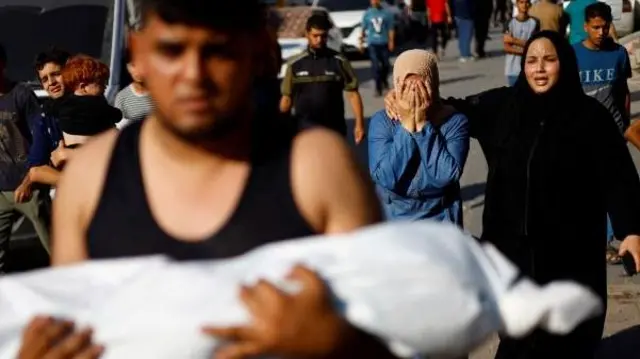 La
lógica de Netanyahu -que respetar el derecho internacional en lo que
respecta a Palestina conduce a la violencia contra los judíos- se impone
porque durante años Occidente la apoyó......,Europa :: 24/12/2025.
La
lógica de Netanyahu -que respetar el derecho internacional en lo que
respecta a Palestina conduce a la violencia contra los judíos- se impone
porque durante años Occidente la apoyó......,Europa :: 24/12/2025. Pretendía
sacar adelante un paquete de nuevas leyes laborales retrógradas con
apoyo de la extrema derecha. Pero la masiva huelga general del 11 de
diciembre hundió ese plan......,México :: 24/12/2025
Pretendía
sacar adelante un paquete de nuevas leyes laborales retrógradas con
apoyo de la extrema derecha. Pero la masiva huelga general del 11 de
diciembre hundió ese plan......,México :: 24/12/2025  Con
las intervenciones neocoloniales de Trump en América Latina, el próximo
año será una lucha por la supervivencia, a pesar de que Claudia
Sheinbaum logró reformas progresivas en 2025......,EE.UU. :: 24/12/2025
Con
las intervenciones neocoloniales de Trump en América Latina, el próximo
año será una lucha por la supervivencia, a pesar de que Claudia
Sheinbaum logró reformas progresivas en 2025......,EE.UU. :: 24/12/2025 
 La
relectura de Lenin contribuye a comprender la naturaleza imperial de
las confrontaciones bélicas, la centralidad del antiimperialismo y la
batalla contra la ultraderecha......,
La
relectura de Lenin contribuye a comprender la naturaleza imperial de
las confrontaciones bélicas, la centralidad del antiimperialismo y la
batalla contra la ultraderecha......, ...,:: Siguiente >>






You must be logged in to post a comment Login