LA REBELDIA DE L@S INMIGRANT@S.BRONX,NY.
NINGUN SER HUMANO ES ILEGAL. LEGALIZACION AHORA PARA TODAS Y TODOS.
10 DE NOVIEMBRE DE 2026
https://larebeldiadelinmigrante.blogspot.com/
https://www.resumenlatinoamericano.org/
https://www.solidaritycenter.org/


|
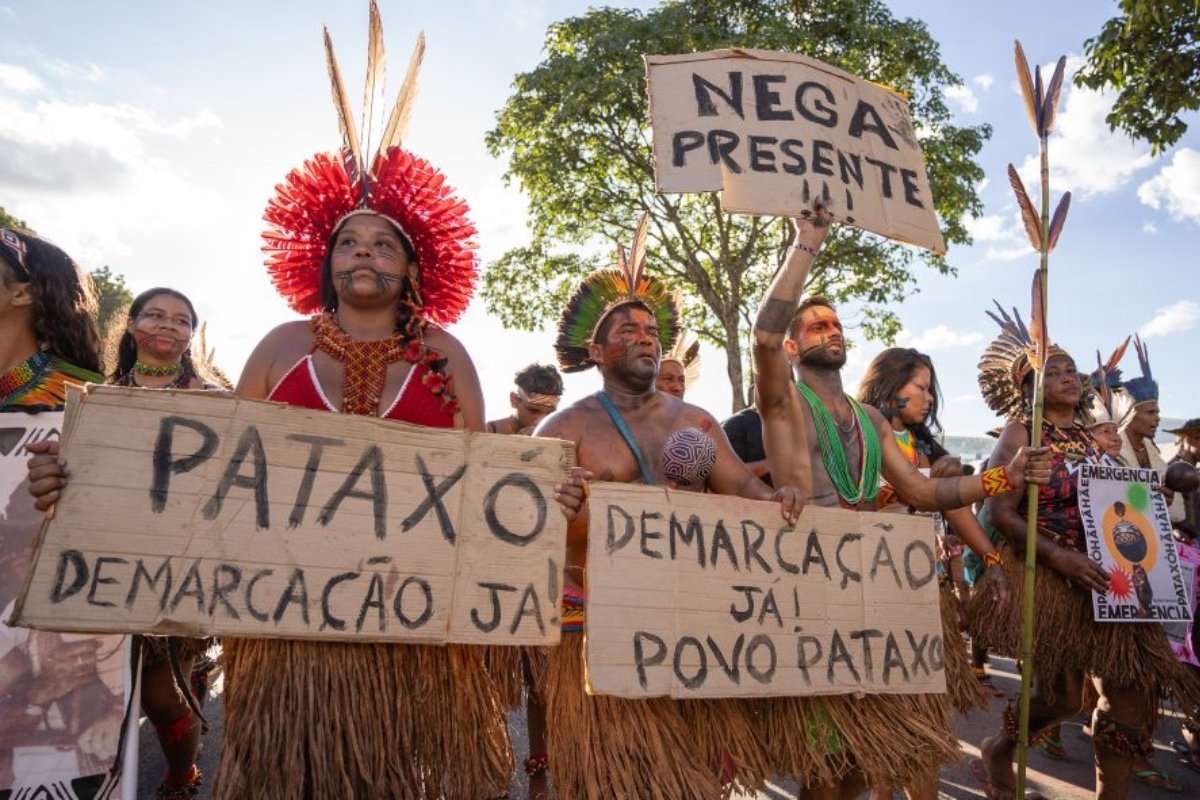
Em meio a onda de violência contra povos indígenas, governo prepara novas demarcações ainda em 2026. Entrevista com Eloy Terena, ministro dos Povos Indígenas
|



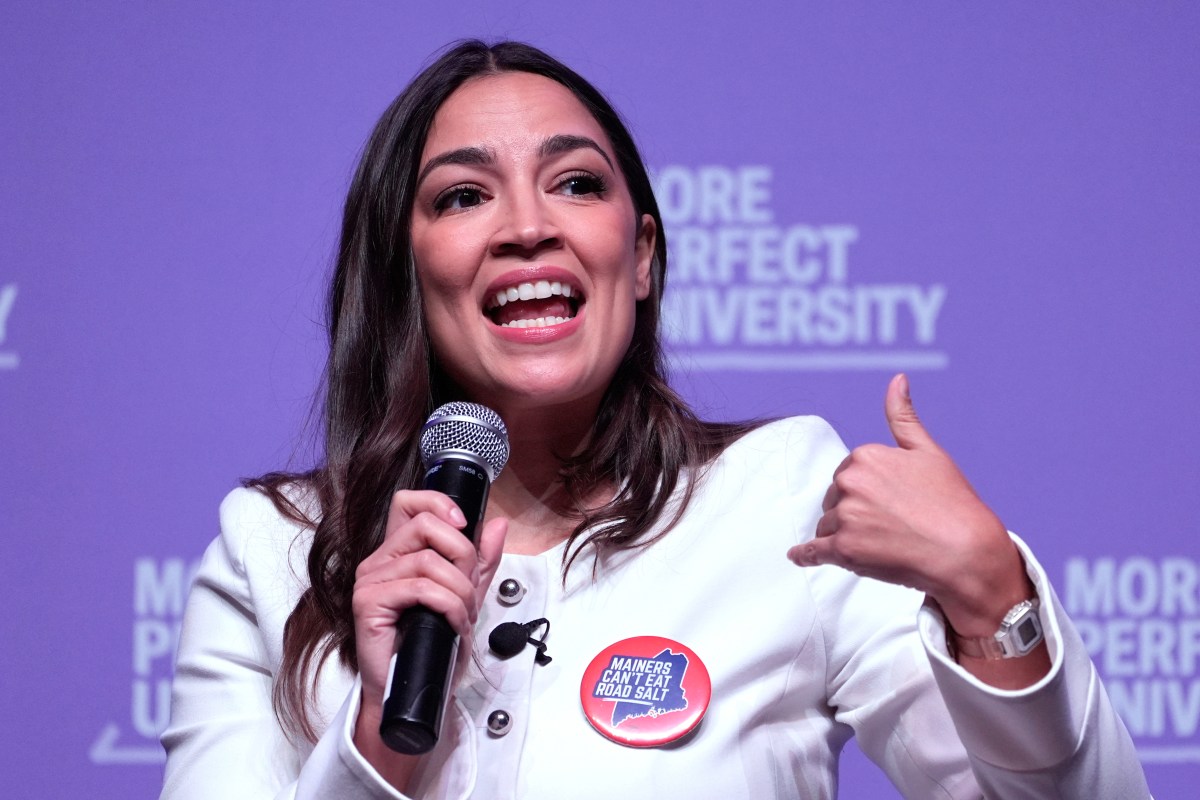

The Economists Who Brought Us Fascism.
Isabella Weber traces how mainstream economics have fueled the authoritarian right, and shows how an “economics of essentials” can combat it.
I still have the textbook from my freshman year Econ 101 course. It’s called Principles of Economics, and it remains one of the most popular introductory economics textbooks out there. My wife, always looking to declutter, has asked several times if we could get rid of it. But the material in this thing is just too bonkers to part with. Here’s a not-unusual passage from the book, in a section labeled “Price Increases after Natural Disasters.”
If you want to score points cracking down on mean, greedy profiteers, pushing anti-‘gouging’ rules is a very good thing. But if you’re one of the people the law ‘protects’ from ‘price gouging,’ you won’t fare as well. Consider this scenario: You are thirsty—worried that your baby is going to become dehydrated. You … finally find that dreaded monster, the price gouger. He offers a bottle of water that cost $1 last week at an ‘outrageous’ price—say $20. You pay it to survive the disaster. You resent the price gouger. But if he hadn’t demanded $20, he’d have been out of water. It was the price gouger’s ‘exploitation’ that saved your child.
This was not an explicitly rightwing textbook—just the ostensibly neutral resource for an intro economics course at a liberal university. The fact that so much of it reads like an Ayn Rand novel reflects the reality of mainstream economics today—a field that claims to be based on scientific principles but in actuality functions as rank, market fundamentalist ideology.
Anti-Fascist Economics, by Isabella Weber, represents an urgently-needed challenge to this orthodoxy—an orthodoxy that Weber, an economics professor at the University of Massachusetts Amherst, argues has fueled the rise of the authoritarian far right in recent years.
As her book makes clear, this is not a new argument, but rather one rooted in a rich tradition. Karl Polanyi, the seminal economic historian, coined the phrase “the fascist virus” to describe the claim by orthodox economics that the “laws of the market economy prohibit any intervention in economic life on the part of the working people.” To paraphrase, when people are suffering, and their democratic leaders’ response is to say, Oh well, that’s the market for you, nothing we can do about it, that is rocket fuel for fascists, who can in turn argue, Look, democracy isn’t solving your problems, take a chance with us.
Nobody had a better practical understanding of this principle than Franklin Roosevelt. Weber describes how, to launch the New Deal, Roosevelt had to break with orthodox economics—indeed, Roosevelt once said, “I took economics courses in college, and everything I was taught was wrong.” Roosevelt defined fascism as “the growth of private power to a point where it becomes stronger than the democratic state itself,” and warned that “People who are hungry and out of a job are the stuff of which dictatorships are made.” Put this way, the antidote to fascism becomes obvious: mobilize the state to contain corporate power and provide people with economic security—the exact kinds of interventions that market fundamentalists guarantee will lead to disaster.
But Roosevelt’s New Deal did not lead to disaster. It was fabulously successful at stamping out the fascist sentiments that were gaining ground in the United States, just as they were in Germany and elsewhere in the early 1930s. Indeed, the New Deal made Roosevelt the most popular president we’ve ever had. And his administration’s direction of industrial outputs and prices during World War II—through the War Production Board and the Office of Price Administration—was so effective that living standards for Americans actually rose during wartime, an unheard-of achievement.
For a few decades, at least, it became almost impossible to argue with a straight face that the state can’t act to improve outcomes for common people—because everyone had just collectively experienced it doing exactly that. But this consensus was attacked, weakened, and ultimately displaced over the following half-century by Polanyi’s fascist virus. Perhaps the best embodiment of this new market fundamentalism was Friedrich Hayek’s The Road to Serfdom, which was published in 1944 and became a bible for right-wing movements in the 1970s and right-wing governments in the 1980s. Hayek makes a classic slippery slope argument, insisting that the only legitimate role for the state is to enforce our subordination to the market—which in practice means subordination to the owners of capital—as any further intervention will lead inevitably toward totalitarianism. As John Maynard Keynes, the most famous economist of his day, wrote in a letter to Hayek after reading The Road to Serfdom in 1944, “You are trying to persuade us that so soon as one moves an inch in the planned direction you are necessarily launched on the slippery path which will lead you in due course over the precipice.”
This is, of course, kindergarten-level reasoning: If you do one little thing I don’t like, the whole world will end. But it’s an extremely convenient analytical framework for economic elites, who do not want democratic states horning in on their God-given right to control our jobs, our lives, and our society. And so—starting as a partisan revolution under Margaret Thatcher and Ronald Reagan in the 1980s, and solidifying as a bipartisan consensus under Tony Blair and Bill Clinton in the 1990s—this kindergarten-level approach to the world became an unquestionable economic orthodoxy, so indisputable in elite circles that the authors of “neutral” Econ 101 textbooks could wax poetic about disaster profiteering and think nothing of it.
This provides a precise explanation for why, when fascism once again raised its ugly head in the 21st century, the United States—in marked contrast to its resilient response in the 1930s—failed to avoid a spiral into far-right authoritarianism. First there was President Obama’s tepid “banks got bailed out, we got sold out” response to the 2008 financial crisis, which Weber argues helped lead to Trump I. And then—the real focus of Weber’s book—was President Biden’s refusal to take action to stabilize the price of essential goods following the supply shocks of the COVID-19 pandemic, which led to Trump II. As Weber puts it:
The Biden administration faced a basic choice: It could brush aside what people were saying about the severe problems they were facing and instead lean into how “great” the macroeconomy was doing and lament that there was nothing to be done about inflation, or it could take action to address the affordability and inequality crisis by disciplining capital. For the most part, it chose the first route.
Weber catalogues how, across thousands of public earnings calls with shareholders, corporate leaders celebrated that supply chain dislocations from the pandemic were giving them license to hike prices and make obscene windfall profits. Often these statements were phrased in technical terms: Dupont reported that supply shocks were creating a “constructive market for pricing”; General Mills explained to shareholders that inflation would allow the company to “realize net pricing.” But sometimes they dispensed with that language—as one CEO told investors, “It’s kind of like a rain dance, I pray for inflation every day I come to work because inflation, our top line is really driven by inflation.”
Despite these literal confessions of “greedflation,” a term Weber coined to describe how companies were exploiting inflation to score excessive profits, the Biden administration, under the influence of establishment economists, chose to treat inflation like an unknowable act of God—something that could not possibly be addressed with specific government interventions, beyond the sacrifice-the-poor sledgehammer of rate hikes and austerity.
The one counterexample to this trend is itself extremely illustrative. In August 2024, in her first campaign speech on economic policy after taking over the Democratic presidential ticket, Kamala Harris proposed a federal ban on price gouging for food. The plan polled extremely well with swing voters, but it was immediately assailed by leading economists. Jason Furman, who served as chair of the Council of Economic Advisors under President Obama, told the New York Times, “This is not sensible policy … There’s no upside here.” In the runup to an election that would have existential stakes for American democracy, where the cost of essential goods was the number one concern for voters, Democratic-aligned economists were actively working to stop the Democratic nominee from giving working class Americans a reason to vote for her. Whether Harris was more influenced by economists like Furman or by her billionaire donors, who also protested the price gouging ban, is hard to say. What’s clear is that Harris dropped the issue. The campaign ad that focused on her price gouging proposal, which scored extremely well in focus groups, was hardly ever aired.
What is perhaps the most frustrating aspect of this story, as Weber highlights, is that everyone involved in both the Biden administration and the Harris campaign had a remarkably clear template, right across the border, for how to block Trump’s return to power. Mexico’s former president—popularly referred to by his initials, AMLO—ignored mainstream economists’ insistence that there was nothing the state could do to stabilize prices. In the face of pandemic-era inflation, his government developed a program to fix the total price of a basket of 24 essentials—mostly food staples like rice and vegetable oil, along with hygiene essentials like toilet paper and soap. Companies could choose how to meet the overall cost cap, so long as all the items together did not exceed the total basket price. Every Monday, AMLO held a press conference on the essentials basket, praising firms that offered particularly inexpensive baskets and calling out those charging the most—thereby creating a public relations incentive for companies to toe the line, while ensuring that every Mexican family knew that their president was fighting on their behalf to keep prices low.
AMLO ended his term with a sky-high 70 percent approval rating. His mentee and successor, Claudia Sheinbaum, won Mexico’s June, 2024 election in a historic landslide. She continued AMLO’s essentials basket program, and two years into her term touts an approval rating that regularly reaches 75 percent.
Instead of dismissing Americans’ affordability concerns as a “vibecession,” imagine if the Biden administration had established a program similar to that of AMLO and Sheinbaum. Imagine if every Monday Biden—or, considering his cognitive and communicative deficits, Biden and Harris together—had held a press conference reporting on costs and calling out price gougers. Or, to take an even more recent example, imagine if, during her campaign, Harris had passed or called for measures to clear the debt of millions of workers, reduce the maximum workweek, and establish zero-fare public transportation, as Brazil’s President Lula did in the lead-up to his momentous come-from-behind victory over FIávio Bolsonaro. It’s difficult for me to envision Democrats losing to Trump in that universe. Who’s going to get taken in by Trump’s infamous grocery store campaign stunt when Democrats are demonstrating to the American people that they are actually fighting to take on corporate profiteers and bring down the costs of essentials?
Weber describes additional policy proposals that constitute what she calls an “economics of essentials.” These include shorter-term solutions to stabilize key supply chains that everyone depends on, such as public buffer stocks for essential commodities, in the vein of China’s grain buffer stock system, which held domestic prices stable against global food inflation, or its National Fertilizer Commercial Reserve, which sheltered Chinese farmers against fertilizer price spikes. Weber also stresses that short-term stabilization must always be in service of longer-term solutions that attack the root causes of inflation, and places decarbonization—replacing shock-prone fossil fuels with stable renewables—as the most urgent of these. “As long as fossil fuel prices are allowed to explode, yielding the record profits we have witnessed in recent energy crises, it will be very difficult to convince investors to move out of the sector,” she writes, recommending a permanent excess profits tax to ensure that profits in the fossil fuel sector never exceed a certain threshold and an emergency price ceiling to prevent wholesale prices from shooting beyond a certain level.
These ideas represent a desperately important corrective to the Jason Furmans of the world—elite economists whose smug dismissal of government action for the public good has aided in bringing far-right authoritarianism roaring back in the United States and across the globe. Anti-Fascist Economics demonstrates why we cannot listen to these voices anymore—not only because market fundamentalism is a severe threat to democracy, but also, it’s worth stating, because their view of the world is extremely dumb.
Take that passage from Principles of Economics. It’s set in the aftermath of Hurricane Katrina. The passage declares that critics of price gouging “just don’t understand basic economics,” and that if you just “let the market work, suppliers will come.” But the supply shock after Hurricane Katrina had an actual cause: Transportation infrastructure was destroyed. Roads and railways and ports were swept away by the storm. The greedy price-gouger wasn’t inducing new supplies to enter the market—he could have been charging $100 or $1,000 for a bottle of water and it wouldn’t make any difference to whether a truck could get over a washed-out highway and into the disaster zone.
The only actual solution to a shock like this is decisive government action to resolve those bottlenecks—to fix the infrastructure and get the essentials moving again. To respond to such a crisis with “let the market work, suppliers will come” is not just cruel—it’s stupid. It’s kindergarten-level magical thinking, dressed up as hardnosed realism. Anti-Fascist Economics treats these idiots with the derision they deserve. We should, too.

This book review was published by The New Republic. They rock, check ‘em out!
P.S. A big thanks to Susan Pelican and Bill Hoffman for becoming this Substack’s most recent paid subscribers. I’m truly grateful for your support!
You're currently a free subscriber to All Right, Then, I’ll Go to Hell. For the full experience, upgrade your subscription.
|



Criminalización de la protesta social: Represión y autodefens
CERTIFICADO DE DIFUNCION
Criminalización de la protesta social: Represión y autodefens

SOBREVIVIENTE DE LA DICTADURA DE
PINOCHET.CHILE.
VICTOR TORO RAMIREZ.


El Día de Muertos en México sirvió para recordar a las víctimas de ... | ||
  |



| ||||||||||||||||||
|




| |||||||||||||||||||||||||||||||||||||||||||||||||||||||||||||||||||||||||||||||||||||||||||||||||||||||||
| |||||||||||||||||||||||||||||||||||||||||||||||||||||||||||||||||||||||||||||||||||||||||||||||||||||||||



| ||||||||||||||||||||||||||||||||||||||||||||||||||||||||||||||||||||||||||||||||||||||||||||||||||||||||||||||||||||||||||||||||||||||||||||||||||||||||||||||||||||||||||||||||||||||||||||||||||||||||||||||||||||||||||||||||||||||||||||||||||||||||||||||||||||||||||||||||||||||||||||||||||||||||||||||||||||||||||||||||||||||||||||||||||||||||||||||||||||||||||||||||||||||||||||||||||||||||||||||||||
|




|

Por Narciso Isa Conde
Por Narciso Isa Conde......,
Santo Domingo, RD // 28-09-2026


UN DIA SIN INMIGRANTES POR TODOS LOS EE.UU.
Por

| Economía ...,
https://www.archivochile.com
Movimiento de La Peña del Bronx.
 10 DE NOVIEMBRE DE 2026. Douyin (TikTok China): https://v.douyin.com/DRkORlK0Mc0/ Please subscribe our CHINA email list  Return to China-US Solidarity Network main pageNational Immigrant Solidarity Network http://www.ImmigrantSolidarity.org Send check pay to: NISN/AFGJ National Immigrant Solidarity Network P.O. Box 751 South Pasadena, CA 91031-0751 |
https://www.lahaine.org/

LA HAINE, TUMBADA POR LA OFENSIVA DE TRUMP CONTRA SERVIDORES DE MEDIOS ANTICAPITALISTAS por Nestor Kohan/Canarias semanal. El filósofo argentino Néstor Kohan denuncia la ofensiva impulsada desde la Adm...leer mas]
Mundo ::
Hablemos del "próspero desarrollo" dominicano X Narciso Isa Conde.
10 DE NOVIEMBRE DE 2026.
REBELION.

https://www.elclain.cl
10 DE N0VIEMBRE DE 2026.








10 DE N0VIEMBRE DE 2026.
https://cctt.cl/
Lo mas reciente


Horacio Cartes, el poder detrás de Peña: sanciones por corrupción y negocios que llegan hasta Chile. por Simon Del Valle/El Clarín de Chile. La caída del presidente paraguayo Santiago Peña, precipitada por el colapso de [...leer mas] Lo mas reciente


Rabat liberó a torturadores de trabajadores de Madeco. por Megam Ossandón/RadioBioBioChile. Esperaron casi 50 años para conseguir justicia, pero una rebaja firmada por Fernando Rabat permitió que su torturador saliera antes de prisión. Ahora, dos [...leer mas]recienteLo mas recientIdeas y pensamiento crítico


Lo mas recienteLo mas recienteLo mas reciente


[...leer mas] mas reciente


THE MORNING 5
A Washington power shift, a Supreme Court green light and a racist incident at Ole Miss are among the stories we’re following.
|

| |||||||||||||||
 |
Good morning, and welcome to Tuesday’s Morning 5. Washington is facing a possible impeachment vote, President Trump has handed his top staff job to a hard-line immigration adviser, and the Supreme Court has cleared the way for border construction to resume in West Texas while a legal fight continues. Let’s get into it.
1. Hegseth faces an impeachment vote
Rep. Thomas Massie, a Republican, has introduced impeachment articles against Defense Secretary Pete Hegseth. Massie brought forward a resolution accusing Hegseth of eight violations, including waging war in Iran without congressional authorization and retaliating against a senator who questioned military orders.
 |
Massie used a House procedure that could bring the measure to a vote as soon as Wednesday. House Speaker Mike Johnson must first decide whether it qualifies for that process. If the House votes to impeach, that would formally charge Hegseth; a Senate trial would follow, and conviction would require a two-thirds vote. House Democratic Leader Hakeem Jeffries says he’ll vote yes. Trump, meanwhile, has said he intends to keep Hegseth.
2. Who is Stephen Miller, and will he be running the White House?
Trump named Stephen Miller White House chief of staff, and Miller began the role Monday. He isn’t the president, but many feel he will the one really running the show.
 |
Hakeem Jeffries called Miller a “stone cold racist” and said he has no interest in working with him. The criticism is rooted in Miller’s record: he helped shape policies including family separation at the border and restrictions on travel from several Muslim-majority countries. Critics also point to emails reviewed by the Southern Poverty Law Center, which said Miller promoted white-nationalist material to Breitbart editors. Those are the reasons behind the charge; Miller’s appointment puts him in a powerful role, but it doesn’t make him president.
3. Supreme Court lets border construction resume
The Supreme Court has allowed the Trump administration to resume border-wall and related construction in the Big Bend region of West Texas while the lawsuit continues. A lower court had temporarily halted the work over questions about the administration’s authority to waive environmental protections. The Supreme Court’s order lifts that pause for now; it does not settle the underlying legal dispute. Justice Ketanji Brown Jackson dissented. The next step is for the lower-court case to proceed, with construction able to continue in the meantime.
4. Ole Miss incident: a pattern, not a moment
A viral doorbell-camera video appears to show two women making monkey noises and gestures as they pass a Black student’s apartment. The clip has drawn millions of views.

The University of Mississippi says it is investigating, and university officials have warned people not to spread incorrect identifications. The incident also recalls a similar episode at Ole Miss in 2024—part of why this story raises a wider question about whether the campus is confronting a recurring problem, not just responding to one disturbing video.
5. Atlanta fans debate Chris Brown’s jersey
The Raymond Brown concert has been making headlines all week.
Chris Brown wore a bedazzled Deion Sanders No. 21 Falcons jersey during his Atlanta concert with Usher. Some fans saw a tribute to an Atlanta football legend; others wondered whether Brown was taking a shot at Sanders, who is dating Brown’s former girlfriend, Karrueche Tran.
 |
Brown’s intent hasn’t been established—and he had worn a Michael Vick Falcons jersey the night before, which could point to a broader Atlanta football tribute.
Or is he being petty?
 |
Black Woman Says Kennedy Center Bosses Branded Her MLK Quotes “Threatening,” Then Policed Her Bathroom Breaks — A former employee describes alleged discrimination and scrutiny at the Kennedy Center.
Lamborghini Rental Company Blasts Rashee Rice, Accuses NFL Star of Filing Bankruptcy to Dodge Unpaid Bill — The company says the Chiefs receiver’s bankruptcy filing could leave an unpaid bill from the 2024 crash.
Malik Beasley Flips His Plea, Set to Admit Guilt in NBA Gambling Scandal — The former NBA guard has agreed to plead guilty to federal charges tied to an alleged sports-gambling scheme.
“Mind Your Business!”: Nosy Neighbors Try to School Black Contractor on His Own Job and Get Unexpected Reality Check — A viral video captures neighbors questioning a contractor at work—and his response.
Dianna Russini Makes Return to Sports After Mike Vrabel Scandal — The sports journalist is back with a new show after a seven-month hiatus.
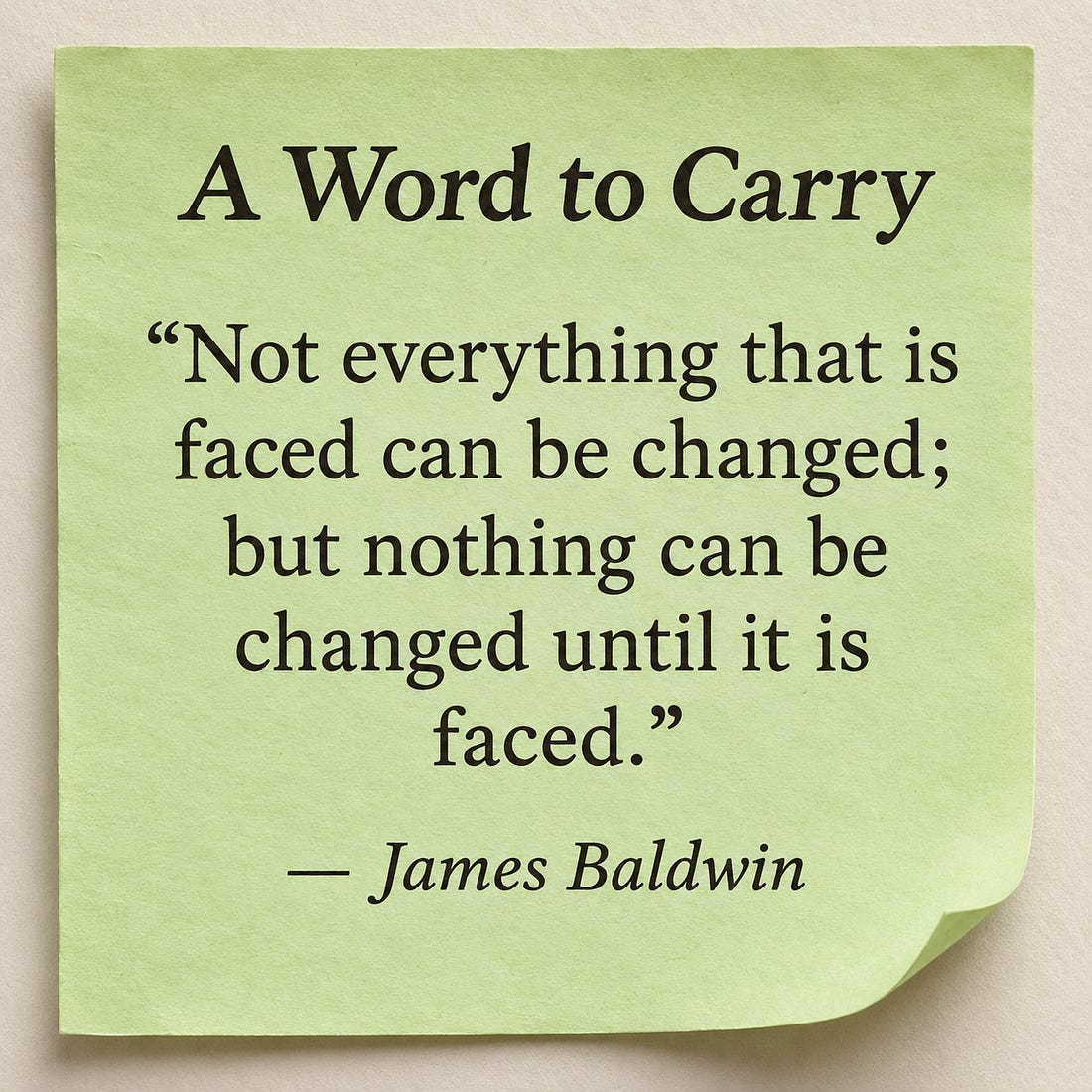 |
A Word to Carry
James Baldwin’s words come from his 1962 essay “As Much Truth as One Can Bear.”
That’s it for today. Have a news tip, an update or a story idea? Share it through the contact link on Atlanta Black Star’s editorial policy page. If you’d like to support our work, use the Contribute link on the site. We’ll see you tomorrow.
Atlanta Black Star is free today. But if you enjoyed this post, you can tell Atlanta Black Star that their writing is valuable by pledging a future subscription. You won't be charged unless they enable payments.


